éloquence
parler, convaincre, prendre position — the eloquence contest
crédit photo : suzanne rault-balet
parler comme on joue. prendre position. habiter une pensée.
the 5th edition of the cours florent eloquence contest explores the space between language and presence.
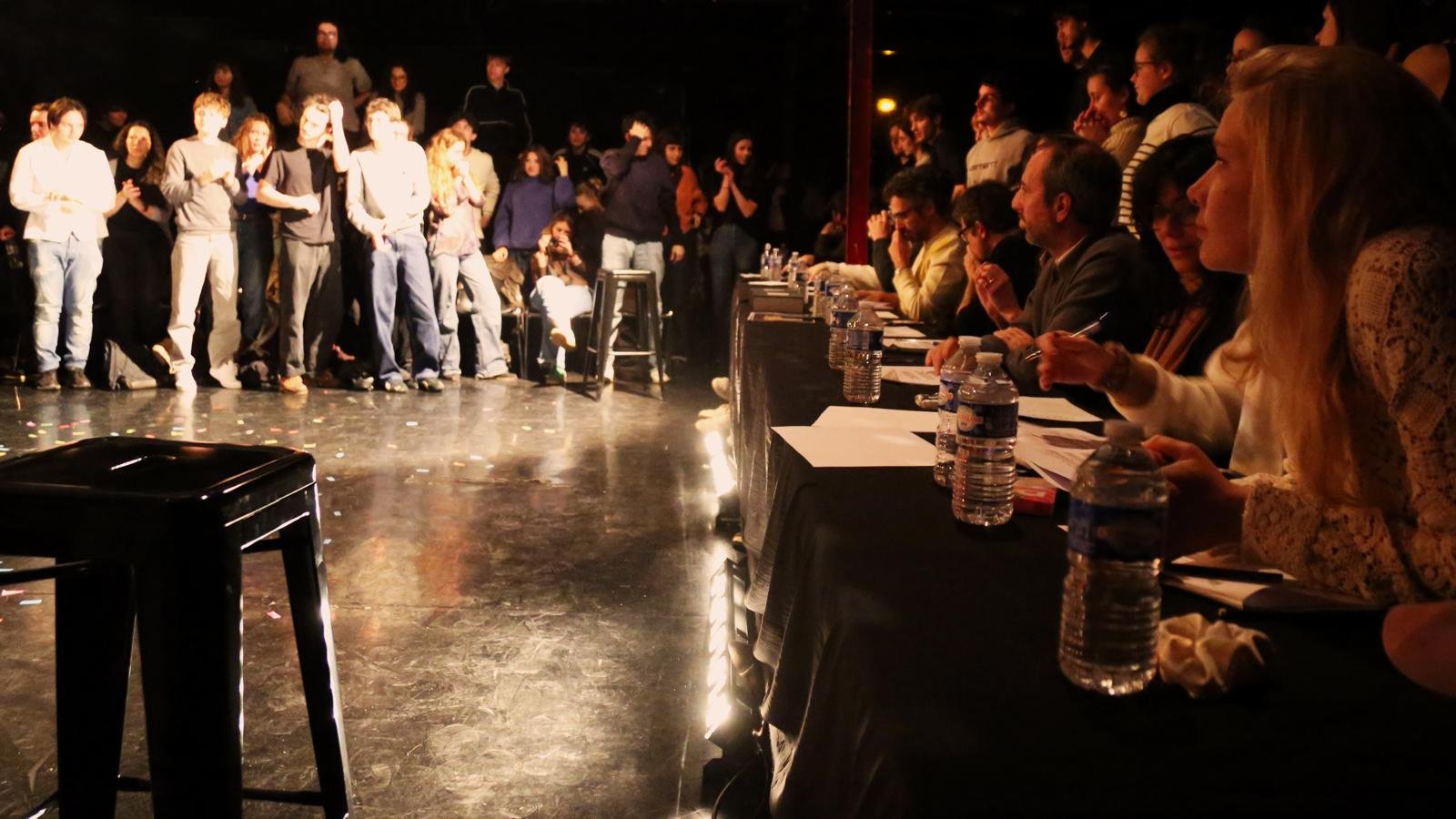
la 5ᵉ édition du concours d’éloquence du cours florent a réuni des élèves autour d’un exercice exigeant, à la croisée de l’argumentation et du jeu théâtral. la finale a donné lieu à une soirée intense, où chaque prise de parole devenait un véritable moment de scène.
l’éloquence y dépasse le simple discours : il s’agit de défendre un point de vue tout en engageant le corps, le rythme, la présence. prendre position — pour ou contre — devient un acte de jeu.
this year, the final topics were inspired by randomly selected song lyrics, offering material that was both popular and poetic. among them:
“il faut oublier, tout peut s’oublier?”
“le monde est un pmu?”
“les rois du monde font tout ce qu’ils veulent?”
“can time spent dreaming be wasted?”
a key moment of the final was the “flash” round: two minutes of personal writing based on the sentence “et juste après viendra le silence.” a short and intense exercise where intuition and sincerity took over.
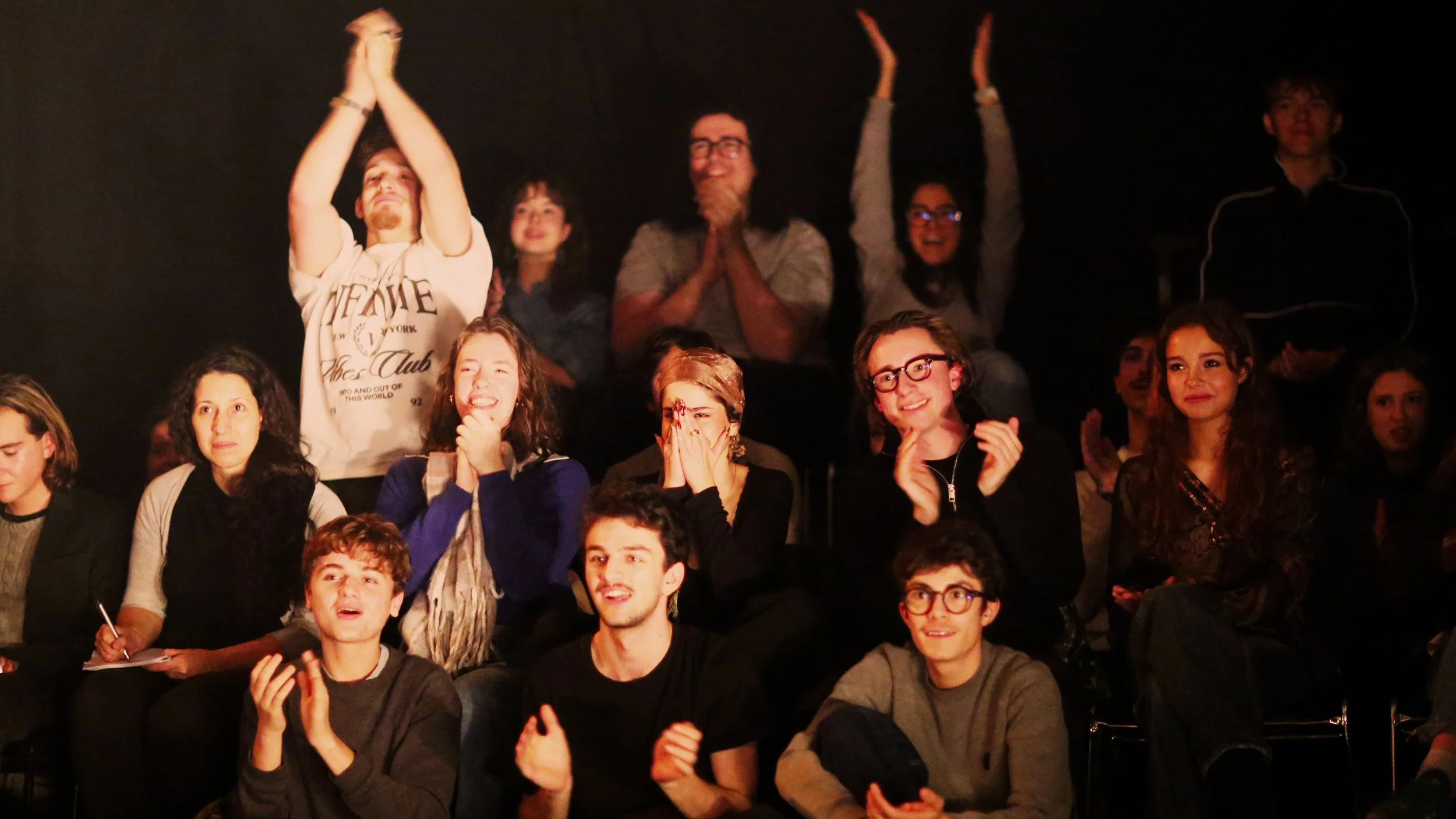
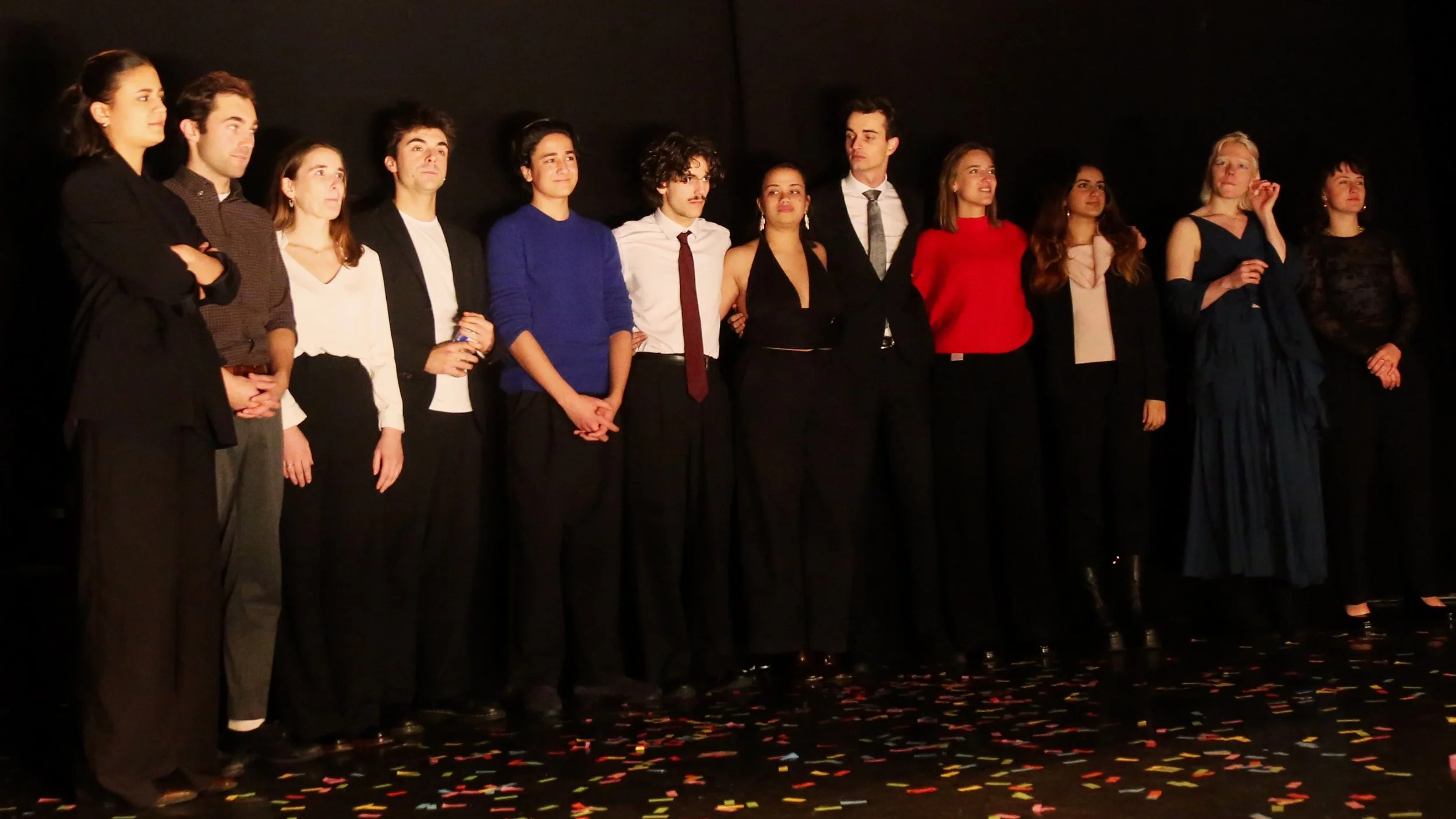
thanks to the great jury, the awesome fellow speakers, and the incredible crowd!
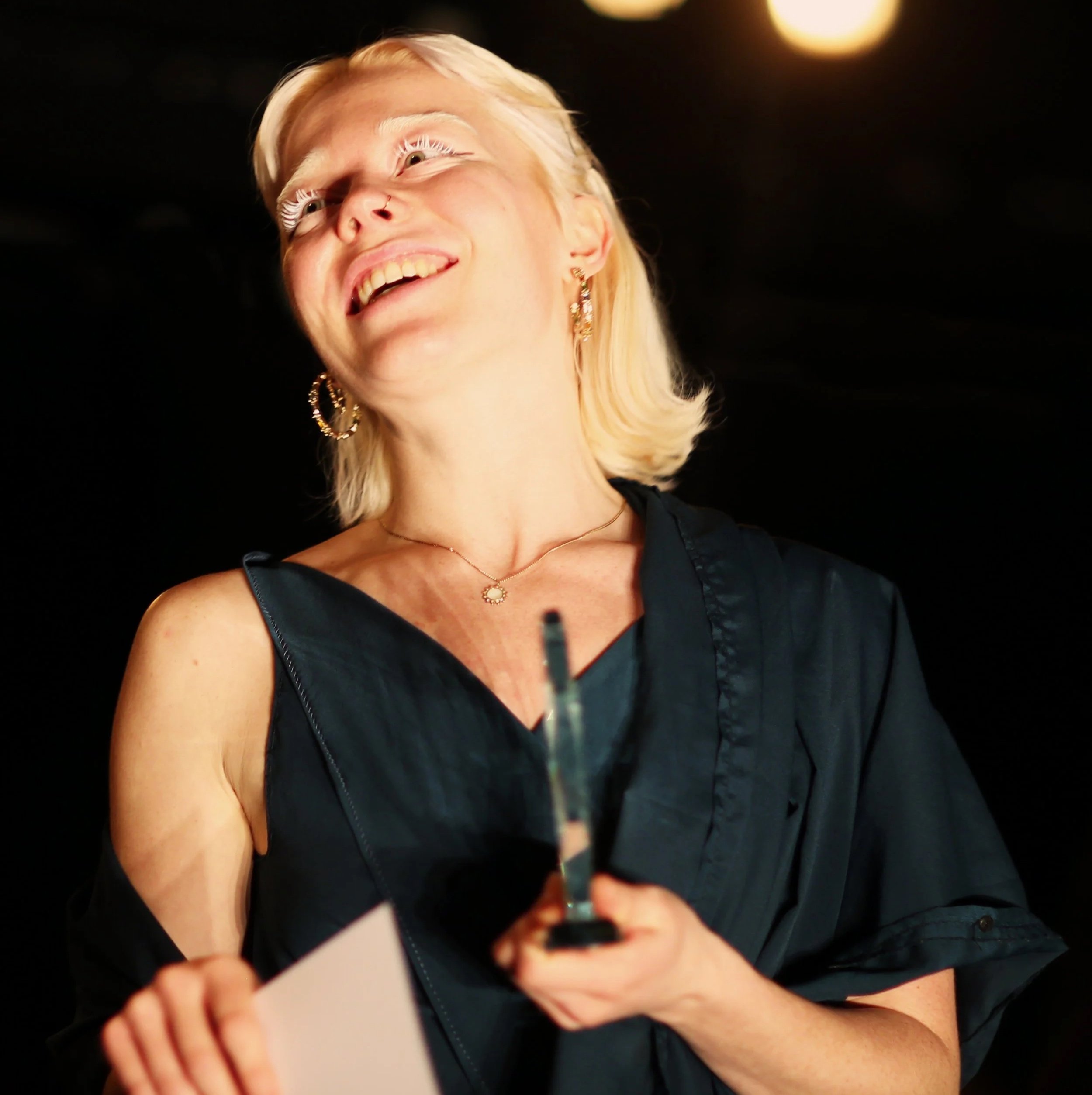
it was a great atmosphere and the insights and jeux des mots were peak!
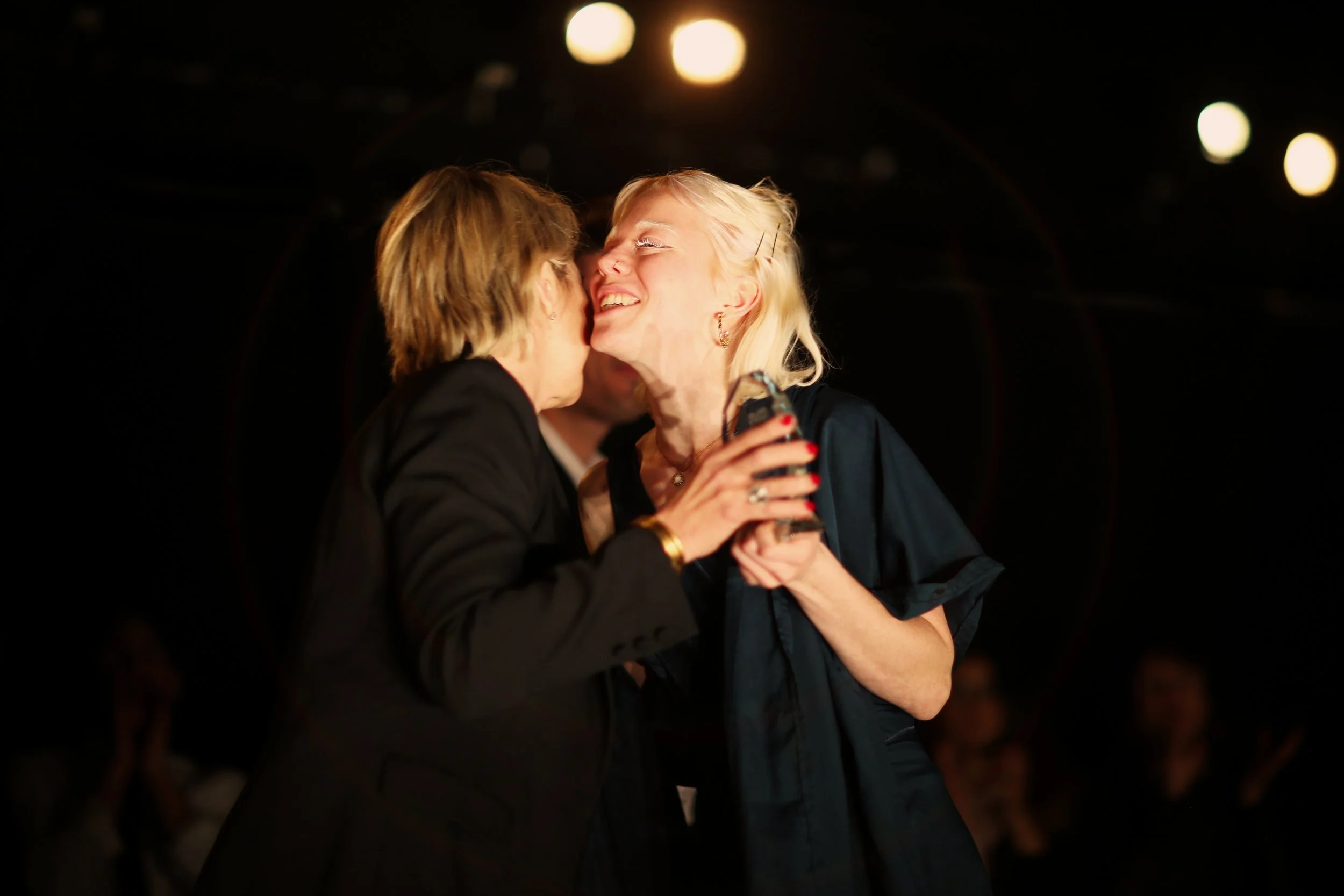
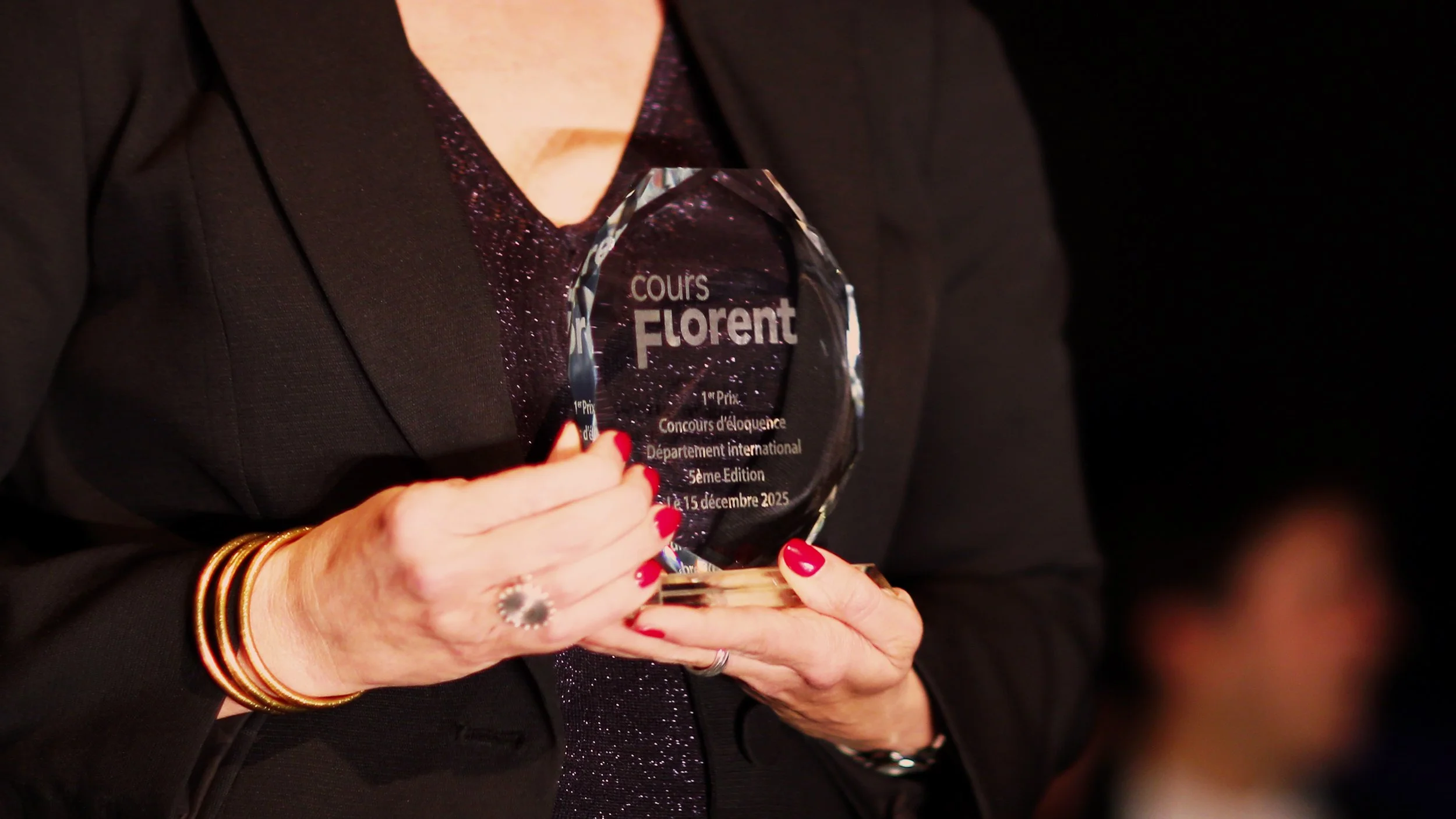
it’s an honour to have won the first prize of the international department
beyond competition, this work highlights how central language is: listening, shaping thought, engaging an audience, and daring to take a position.
extending the voice, differently. after the stage, a conversation:
the interview
can you introduce yourself?
hi, my name is lena wildhirt. i was born in germany and grew up in switzerland. i have always been drawn to art and human connection, which led me to study cultural sciences and sociology. i then worked for ngos for four years before finding my way back to theatre.
to be honest, i was afraid of letting go of the linear plan i had for my life and stepping into what is often described as a competitive industry. but i am very grateful to have found a place where, right now, it is about community, co-creation and craft — much more than competition.
can you explain what the eloquence contest was about?
the eloquence contest focuses on the art of language and public speaking. we were given a critical question and asked to defend a position, in french or english, over the course of three rounds.
the key point is not simply to persuade, but to truly convince. it is about finding the right arguments, building a narrative, and connecting to the audience.
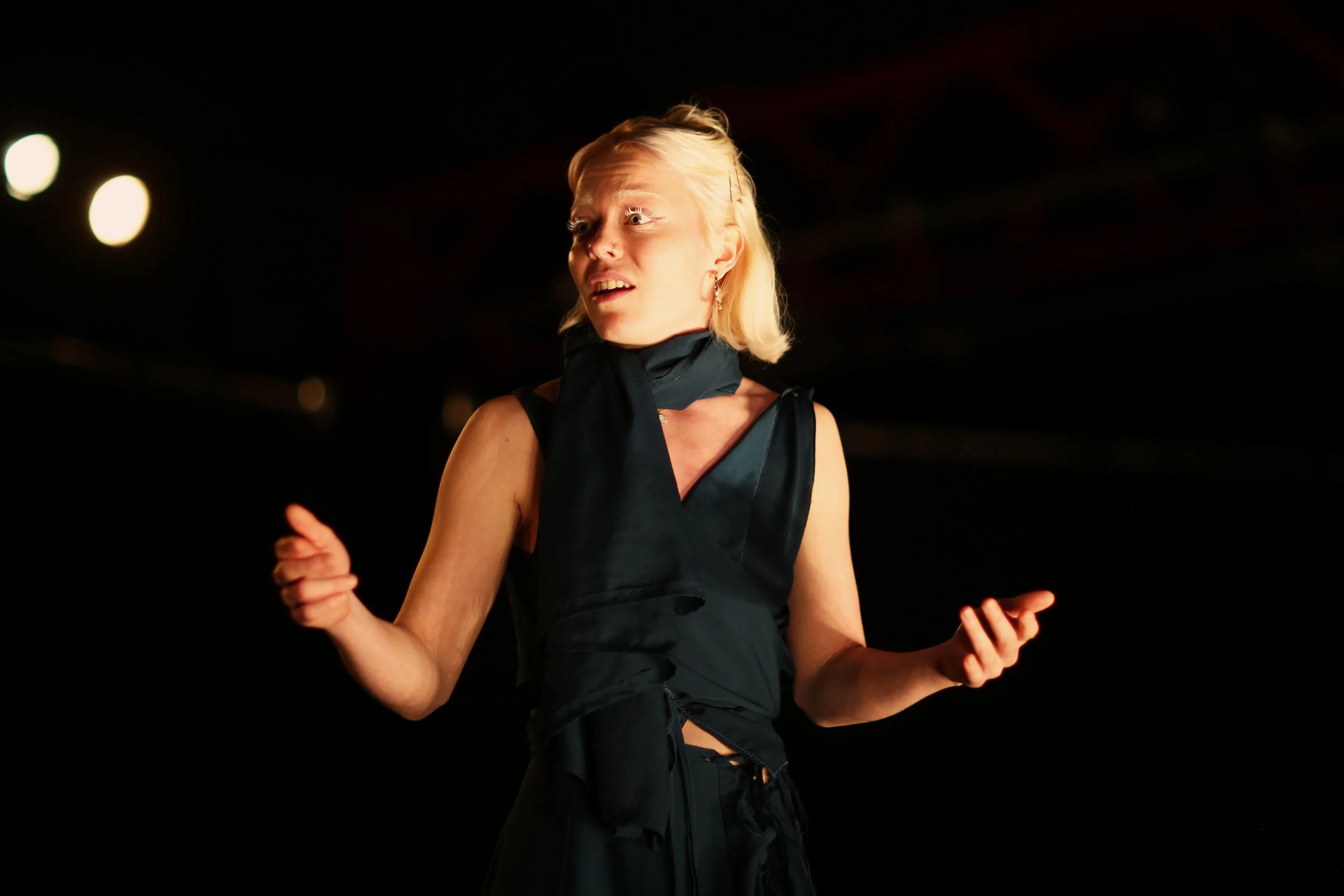
how did you prepare mentally and emotionally before stepping on stage?
i mostly listened to the speeches of my colleagues, because i find it genuinely interesting. and often, truly listening makes you a better speaker.
then it was about getting out of my head and into my body — into the present moment. the way to deal with fear and nervousness is not to focus on yourself, but on the message. fear often comes from self-awareness and projecting into the future. instead, trust the work you have done and focus on why you are there: the story, the message. make space for them.
what did this experience teach you about yourself as a speaker?
i think i learned three things.
first, that i am at the right school. there is a lot happening, and it happens in a supportive rather than a competitive way. we had extra classes, we prepared together, external professionals came in, and i met many inspiring and committed students.
second, i received personal feedback after the first round saying that i am very grounded on stage and bring a certain energy into the room. that made me very happy, and i will carry it with me.
third, i learned that the space of trust in the present moment can sometimes be difficult to access, but it is there — and i can find it again.
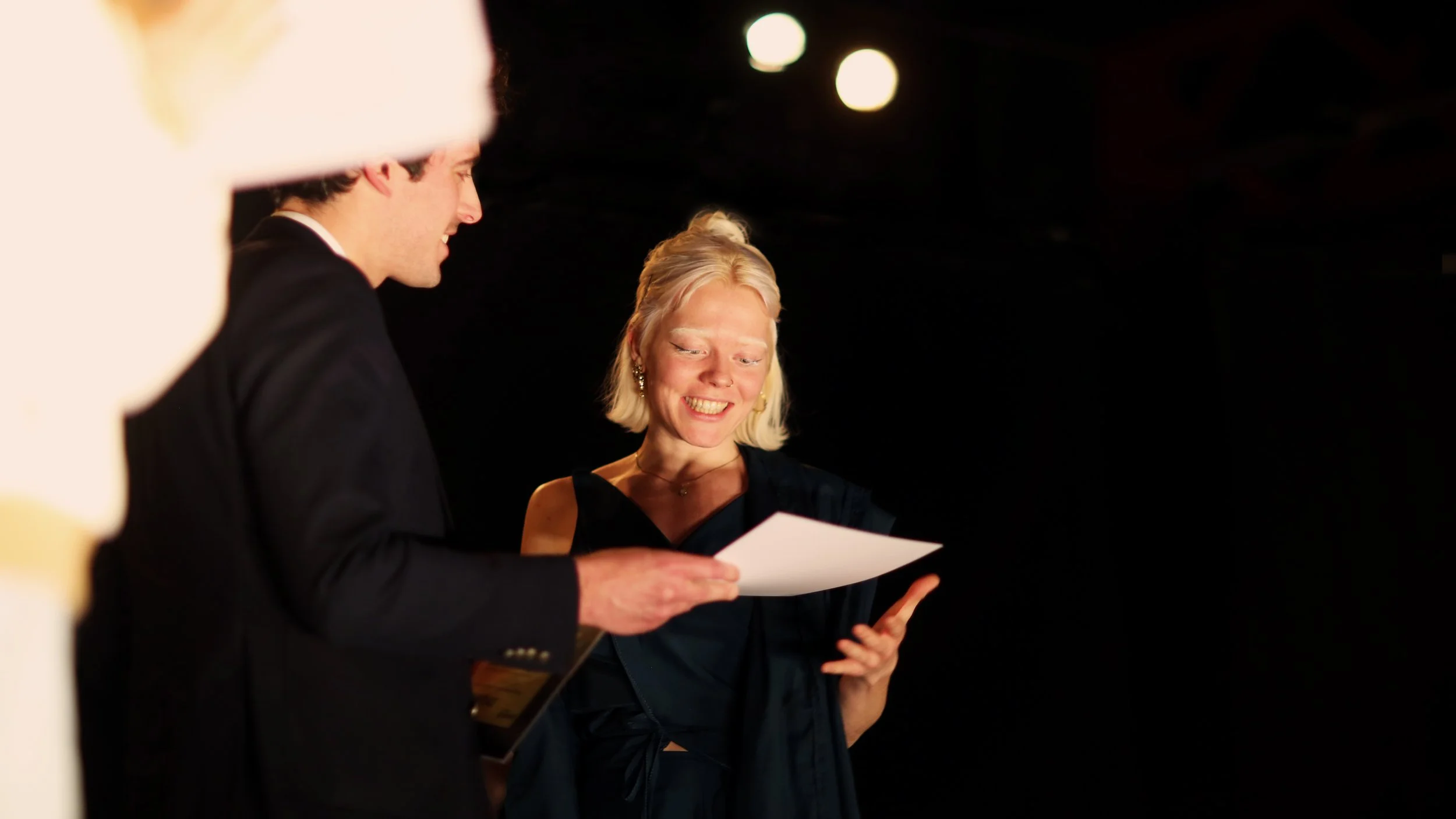
has participating in this contest changed the way you express your ideas?
not so much in the way i express my ideas, but in the way i encounter opinions and debates. i noticed that i ask more questions and listen more carefully.
with everything happening in the world — technology, multicultural societies, conflicts — it feels even more important to step into someone else’s perspective, to understand the meaning they create. just as in the competition, where it was essential to think from the opponent’s point of view.
what advice would you give to someone who is afraid of public speaking?
don’t be afraid of your audience. most of the time, they actually want to listen to you.
and most importantly: